Nagaland
Konyaks
The Tattooed Headhunters
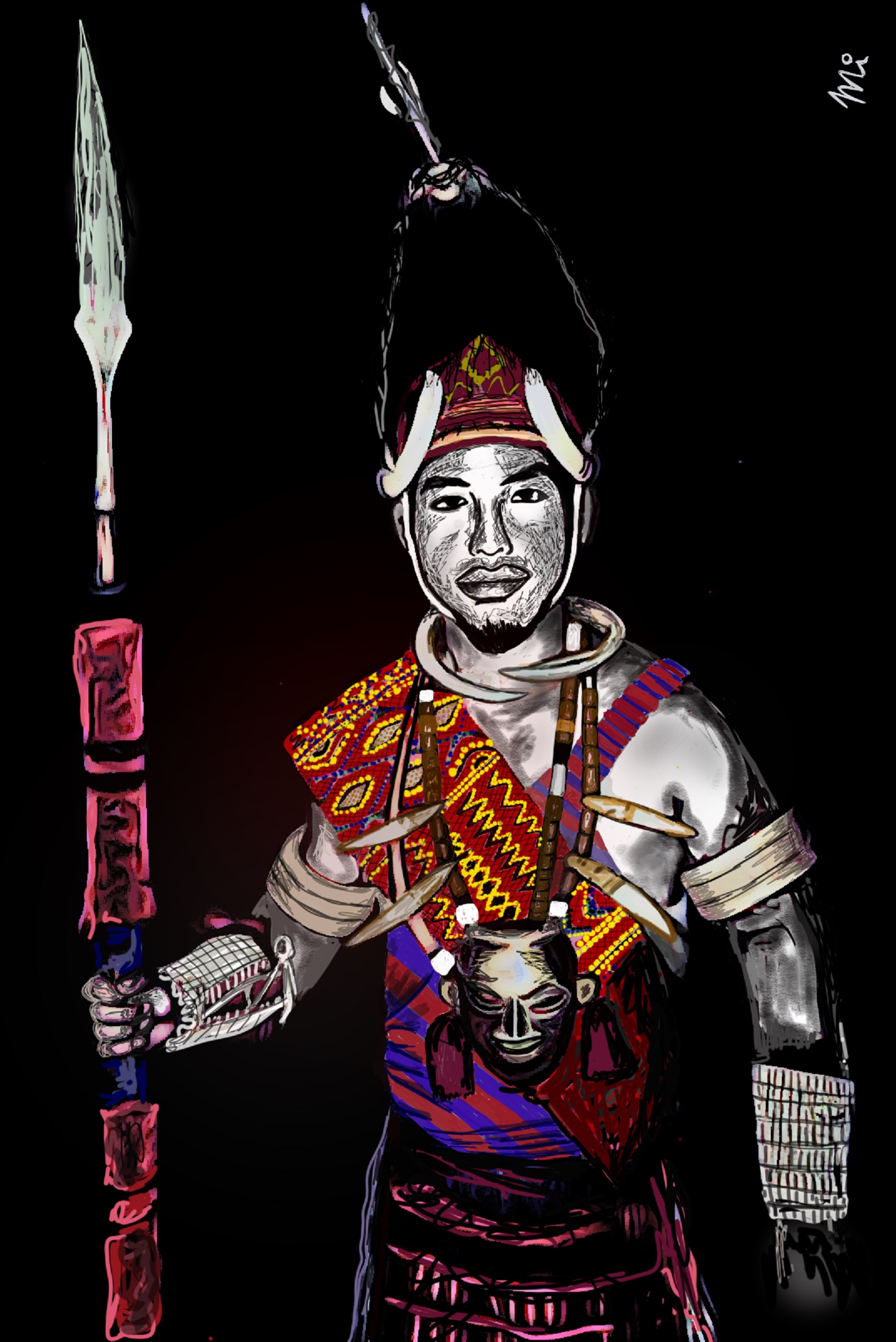
A legendary tribal community of the mountainous forests of Nagaland, known as the last headhunters.
Konyaks — The Tattooed Headhunters of Nagaland
View the plate →01
The people
Konyak is a legendary tribal community living in the mountainous natural forest region of Nagaland, Northeast India. It is believed the ancestors of the tribe came from Mongolia long ago.
02
Warriors
Konyaks were warriors with brutal pasts, using inter-village fights to accede land and ascertain power. Their villages sit on ridge tops, so an enemy attack can be monitored and identified early. They hunted human skulls because they believed only these could guarantee the fertility of their fields and their people. In their custom, the killing of an enemy and the bringing of the head was indicative of courage and pride.
03
Resistance
They were animists, worshipping elements of nature, until British missionaries arrived in the late 19th century, and resisted Christianisation and modernisation for longer than most other Naga tribes — war and headhunting having been essential to their ritual life. The British brought opium into the Naga Hills to subdue the tribes and distract the Konyaks from accumulating heads, particularly British ones. Many Konyak men suffered, and continue to suffer, a voracious addiction to opium smoking.
04
Tattoos
Konyaks adorn many types of facial tattoo, using them to indicate status just as other people might use ornaments or textiles. Konyak girls wear a tattoo on the back of the knee if they are married. Designs vary between villages and are closely linked to the dialects spoken by the sub-tribes; some have chest and back tattoos, others leg tattoos. The chest tattoo carries a high social privilege and could be worn only by the best and bravest warriors.
05
The hornbill
Traditional war hats were made of hunted wild pig horns, hornbill feathers and wild bear or goat hair. The majestic hornbill is a Nagaland emblem representing loyalty. In the past, the right to use hornbill feathers had to be earned — feathers were not for sale, and only those who excelled in warfare received the honour of decorating themselves with them.
Published by Dailyhunt · Source